The New Excel: Why AI Literacy Is Deciding Who Gets Hired in 2026
"AI literacy is becoming the new Excel in 2026. Learn what employers actually mean by AI skills, including prompt writing, tool selection, fact-checking, and practical AI workflows for non-technical jobs."
pooja
Why AI Literacy Is Deciding Who Gets Hired in 2026
A decade back, listing "MS Excel" on your resume didn't mean much because everyone assumed you knew it. Not knowing it, on the other hand, quietly ruled you out of half the jobs you applied for. AI literacy has landed in that exact spot right now, faster than almost any skill before it. Nobody's impressed anymore that you "know how to use ChatGPT." But not knowing how to use AI tools properly at work? That's starting to cost people interviews, and most candidates haven't noticed it happening yet.
This isn't about becoming a machine learning engineer or writing Python for fun. It's about something far more basic and far more urgent — using AI tools well enough to get more done, make fewer mistakes, and not look lost when your manager casually mentions "just run it through the AI tool first." If that sentence makes you a little nervous, this article is for you.
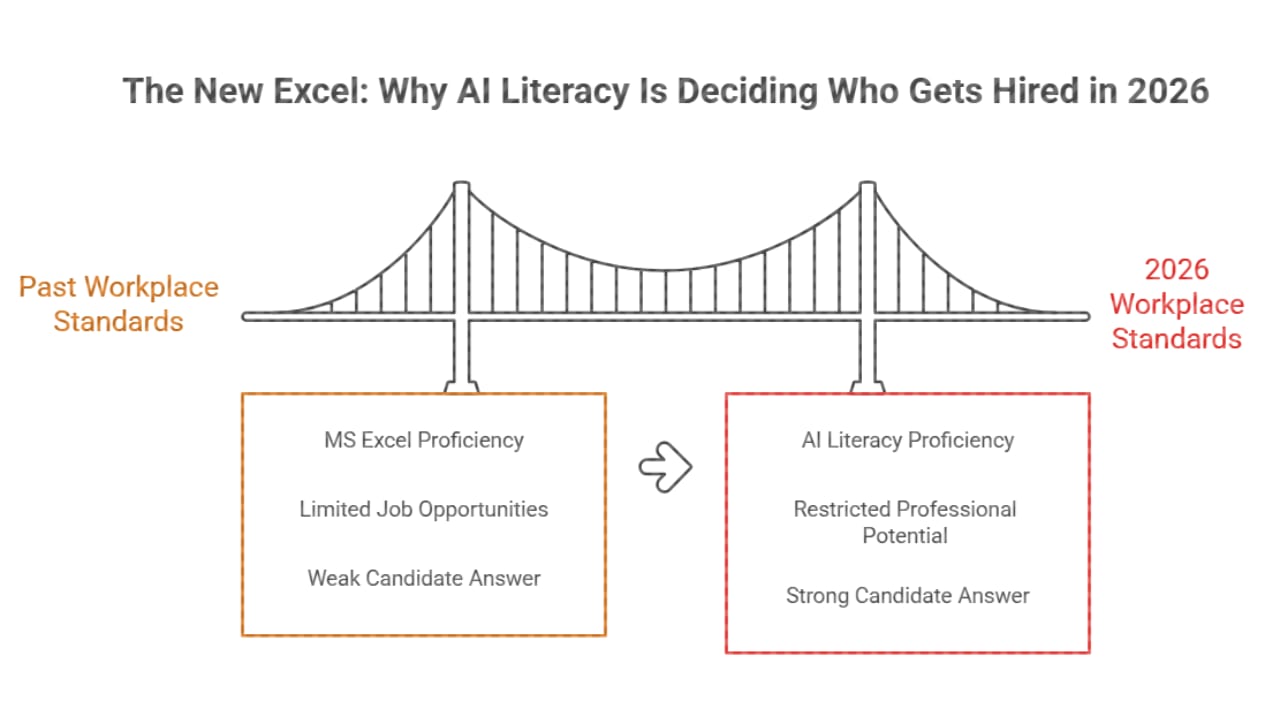
What "AI Literacy" Actually Means for a Non-Technical Job Seeker
People hear "AI skills" and picture coding, models, and data science degrees. For most job seekers, that's not what's being asked for at all. AI literacy at a practical level means three things: knowing which AI tool fits which task, knowing how to write a prompt that actually gets you a useful answer instead of generic fluff, and knowing when to trust the output versus when to double-check it yourself.
That's genuinely it. A marketing executive using AI to draft five ad variations in ten minutes instead of two hours. An HR recruiter using it to screen resumes faster without missing red flags. A customer support agent using it to draft replies that still sound human. None of these people are engineers. All of them are now expected to work this way, because the ones who do finish more work in less time, and companies have noticed.
Why Companies Suddenly Care So Much About This
A few years back, AI tools felt experimental — something a few tech-forward companies played with. That's changed completely. Most mid-sized and large companies have rolled AI tools into daily workflows across marketing, HR, sales, operations, and finance, not as an experiment but as an expectation. Job postings have started reflecting that shift too, with phrases like "comfort working with AI tools" showing up in roles that have nothing to do with technology on paper.
There's a cost angle behind this as well, and it's worth being honest about it. Companies are hiring leaner teams than they used to, and they're betting that AI-literate employees can cover more ground per person. That bet is exactly why two candidates with identical experience can get very different offers — the one who can demonstrably move faster with AI tools looks like a safer investment on a tighter headcount.
Where AI Literacy Is Already Changing Hiring Decisions
Resume screening itself — many companies now run applications through AI-assisted filtering before a human even looks at them, which means how you write your resume matters differently than it did before
Interview questions — it's increasingly common to get asked directly how you use AI tools in your current workflow, and a vague or defensive answer stands out for the wrong reasons
Onboarding expectations — new hires in marketing, content, HR, and support roles are often handed AI tools on day one with the assumption that they already know the basics
Performance reviews — output speed and quality get measured against what's realistically achievable with AI assistance now, which quietly raises the bar for everyone
The Skills That Sit Inside "AI Literacy"
Breaking it down into pieces makes it far less intimidating than the phrase itself sounds.
Prompt writing sits at the center of all of this. Getting a genuinely useful response from an AI tool isn't about typing a random question — it's about giving context, specifying the format you want, and refining the answer over a couple of tries instead of accepting the first output. People who are good at this get noticeably more value out of the same tool as someone who isn't.
Knowing which tool fits which job matters just as much. A writing-focused AI tool, a data-analysis tool, and an image-generation tool solve completely different problems, and using the wrong one for a task wastes more time than doing it manually would have. Judgment might be the most underrated piece of the whole skill set. AI tools get things wrong confidently, and the people who blindly copy-paste output without checking it are the ones who end up embarrassed in front of a client or a manager. Knowing when to trust an AI-generated answer and when to verify it yourself is a skill on its own, separate from just knowing how to use the tool.
Writing clear, specific prompts instead of vague ones
Choosing the right AI tool for the right task
Fact-checking and editing AI output before it goes anywhere important
Combining AI-generated drafts with your own judgment and industry context
Staying updated as tools change, since this space moves faster than almost any other skill category right now
How to Build This Skill Without Any Technical Background
The good part about AI literacy, compared to something like coding, is that you don't need months of structured learning to get genuinely useful at it.
Pick one AI tool relevant to your field and use it daily for two weeks straight on real tasks, not just for fun experiments
Practice rewriting your prompts three or four times instead of accepting the first response, and notice how much the output improves each time
Compare AI-generated work against your own manual attempt on the same task occasionally, just to build a sense of where it genuinely helps and where it doesn't
Follow how AI is being used in your specific industry rather than generic AI news, since a marketer and an accountant need to know completely different things about the same technology
Be ready to talk about this in interviews with real examples, since "I use AI sometimes" lands very differently than describing one specific workflow you've actually improved with it. The same practical thinking applies when you're evaluating early career opportunities too — knowing whether a paid or unpaid internship gives you better learning and experience can matter just as much as the stipend itself.
Final Thought
AI literacy isn't a niche technical skill anymore, and treating it as optional is starting to cost people real opportunities, quietly and without much warning. It's closer to what basic computer literacy was twenty years ago — not flashy, not something you put much thought into, but genuinely disqualifying if you don't have it. Spend a couple of weeks getting properly comfortable with one AI tool relevant to your field, and you'll walk into your next interview with an answer most candidates still don't have ready.
Related Articles
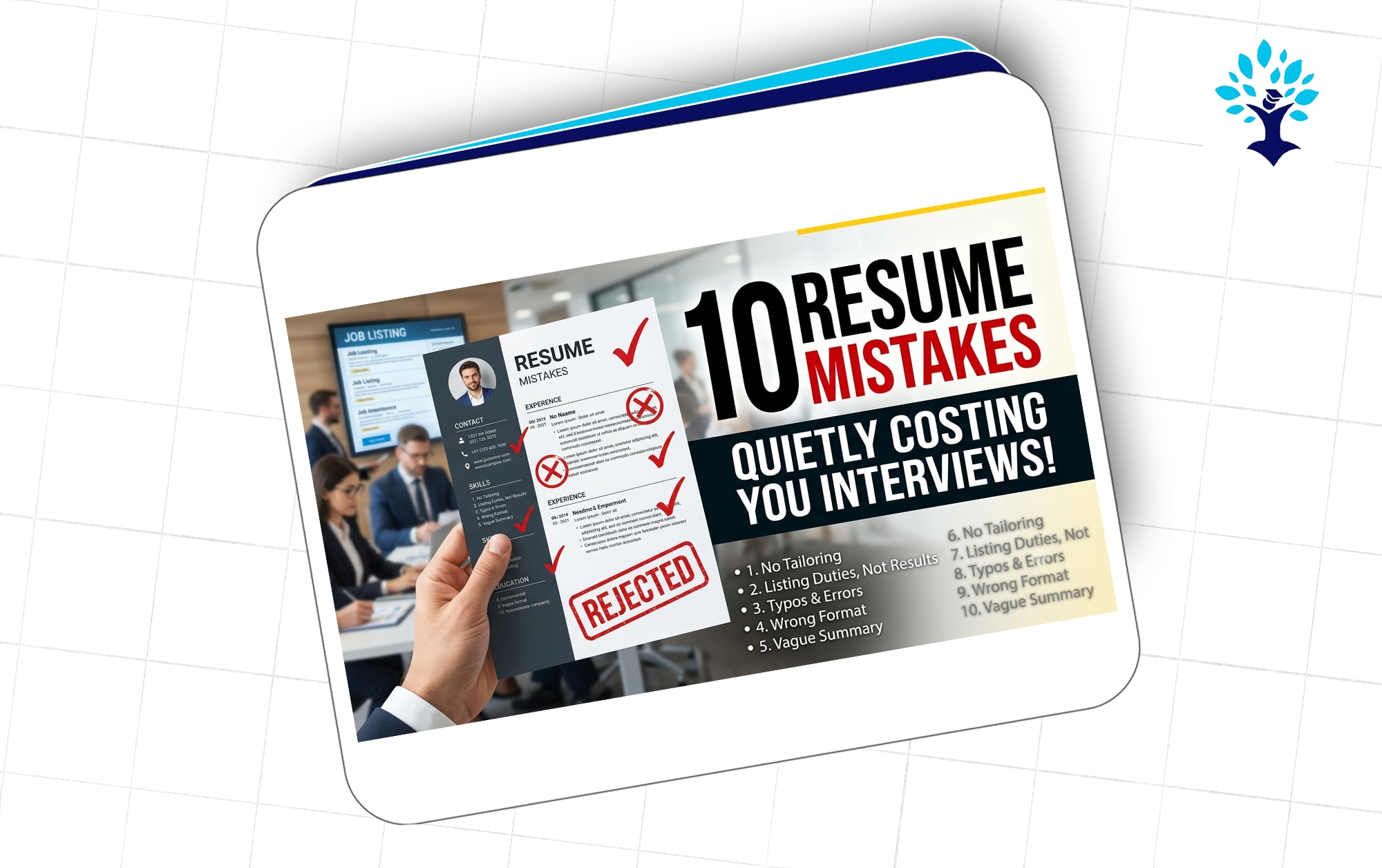
10 Resume Mistakes That Are Quietly Costing You Every Interview
"Discover the 10 common resume mistakes that silently cost candidates interviews. Learn how to improve your resume, stand out to recruiters, and increase your chances of landing more job opportunities."
6 min read
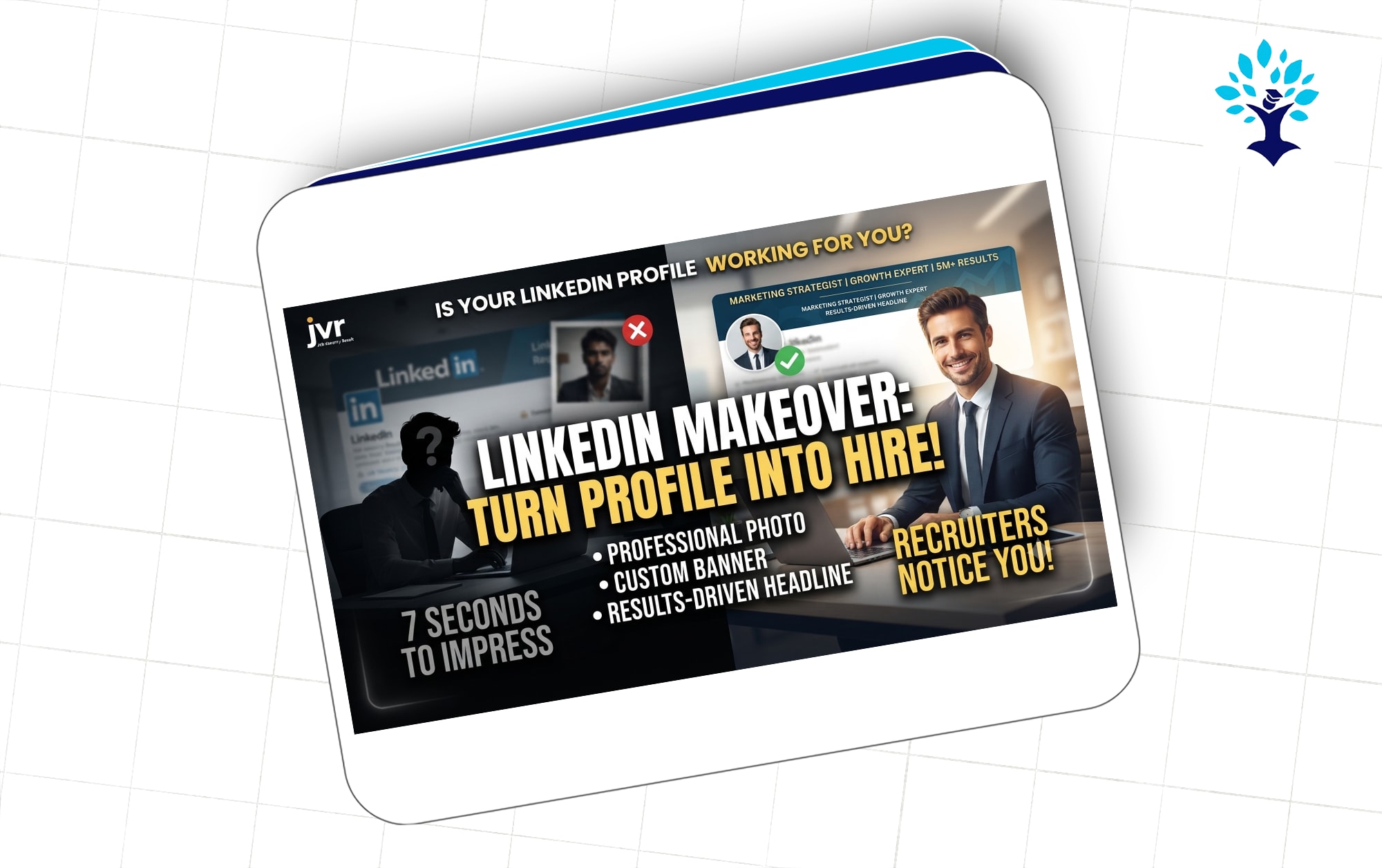
Your LinkedIn Profile Is Working a Night Shift — Make Sure It's Actually Good at the Job
"Recruiters spend just seconds reviewing LinkedIn profiles. Learn how to Optimize your photo, headline, About section, skills, and experience to increase profile views, recruiter interest, and job opportunities."
6 min read
Should You Let AI Write Your Resume? Here's the Honest Answer Nobody's Giving You
"Everyone's using AI to write resumes—but should you? Here's the honest truth about what AI gets right, where it backfires, and how to create a resume that impresses both ATS systems and human recruiters."
7 min read