Talk Your Way Up: Why Communication Skills Beat Every Other Line on Your Resume
"Discover why communication skills can matter more than another certification on your resume. Learn how freshers can improve interviews, workplace communication, confidence, teamwork, and career growth with practical habits."
pooja

Why Communication Skills Beat Every Other Line on Your Resume
Sit in on a hiring manager's debrief after a round of interviews, and you'll notice something. Nobody's fighting over who scored higher on the technical test. The argument is always about who "communicated better," who "explained things clearly," who "sounded confident without being over the top." A strong resume gets you the interview. What you say in the room decides everything after that — the offer, the promotion two years later, whether you're the person handed the next big project or the one still waiting for someone to notice the work you've been doing.
Most freshers spend every free hour on certifications, coding practice, and resume formatting, then freeze the moment an interviewer says "walk me through this project in your own words." That gap — between what people prepare for and what interviews actually test — is why communication has turned into the biggest career advantage going in the Indian job market, bigger than half the technical checklists employers claim to care about most of all. Ask any manager who's sat through a dozen hiring rounds, and they'll say some version of the same thing: the sharpest resume in the stack doesn't win if the person behind it can't hold a conversation once the pressure's on.
Why This Skill Outranks Almost Everything Else on a Resume
Every job comes down to people, sooner or later. A manager who needs an update. A client who needs to hear a bad situation explained without panicking. A teammate who needs a task handed off without three confused follow-up emails. A brilliant engineer who can't explain a bug to someone in sales becomes the person the team routes around instead of relies on. An analyst with sharp findings loses the room to someone with weaker numbers and a better pitch, and this happens far more often than it should.
A few things worth knowing before you assume this doesn't apply to you:
Recruiters put communication in their top three soft skills, often ranking it above software knowledge — because software gets taught in a week on the job, while how someone talks and writes takes years to reshape.
Workplace learning surveys keep placing communication near the top of the skills companies say they can't find enough of. Odd, given how much everyone claims to talk about it.
Promotions rarely go to whoever works hardest in silence. They go to whoever's work gets seen, understood, and trusted by the person making the call — and that's a communication problem more than a skill problem.
Interview panels use communication as a stand-in for confidence and competence, whether that's fair or not. How you explain something changes how capable you sound, sometimes before anyone's checked if you're capable at all.
None of this means technical ability stops mattering. It means it stops being enough the second two candidates with roughly the same skill level sit across from the same panel — which happens more than not.
Where This Skill Shows Up on the Job
Stop thinking of "communication skills" as one vague trait sitting next to "team player" on a resume nobody reads carefully. It's a set of specific behaviours, and they show up in places freshers rarely clock as communication at all.
Interviews — not just getting the answer right, but shaping it so it's easy to follow, owning gaps instead of talking around them, and knowing when to stop instead of running the clock out.
Emails and written updates — a short message that makes its point in the first two lines gets read and acted on that day. A long one with no structure gets skimmed once and forgotten by tomorrow.
Meetings — summing up a discussion in one sentence, or asking one sharp question, does more for how people see you than sitting through the whole hour without saying anything.
Feedback, both ways — freshers who can take criticism without going defensive, and hand it back without it landing harshly, earn trust on a new team faster than most people manage in a year.
Working across teams — explaining a technical limit to someone in marketing, or turning a business ask into something a developer can build- is the kind of thing that gets people pulled into leadership conversations early.
Broken down like this, it's clear why "good communication skills" as a bullet point tells a recruiter nothing. What they're checking, whether they'd phrase it this way or not, is whether you can do these specific things when something's actually at stake.
Building the Skill Instead of Just Claiming It
Communication is trainable in a way raw talent isn't. Nobody shows up to their first interview naturally good at structuring an answer under pressure. That comes from doing it badly a few times first.
Some ways to work on it that don't require a course:
Record yourself answering common interview questions, then watch it back later the same day. Most people are startled by how many filler words and half-finished sentences sneak in when they're not paying attention.
Use the "situation, action, result" shape when you describe a project or piece of college work. It forces specifics instead of vague summary — and it happens to be exactly what most panels are listening for, even if they never say so out loud.
Join a debate club, a public speaking group, or even a class presentation slot if you're still in college. The awkwardness fades faster than you'd think after two or three tries.
Read what you've written out loud before you hit send. If it sounds tangled spoken, it's usually tangled written too — your eyes skip over things your ears catch.
Ask someone close to you to cut you off mid-answer and ask, "What's your point?" It trains you to lead with the conclusion instead of building toward it across three unnecessary sentences.
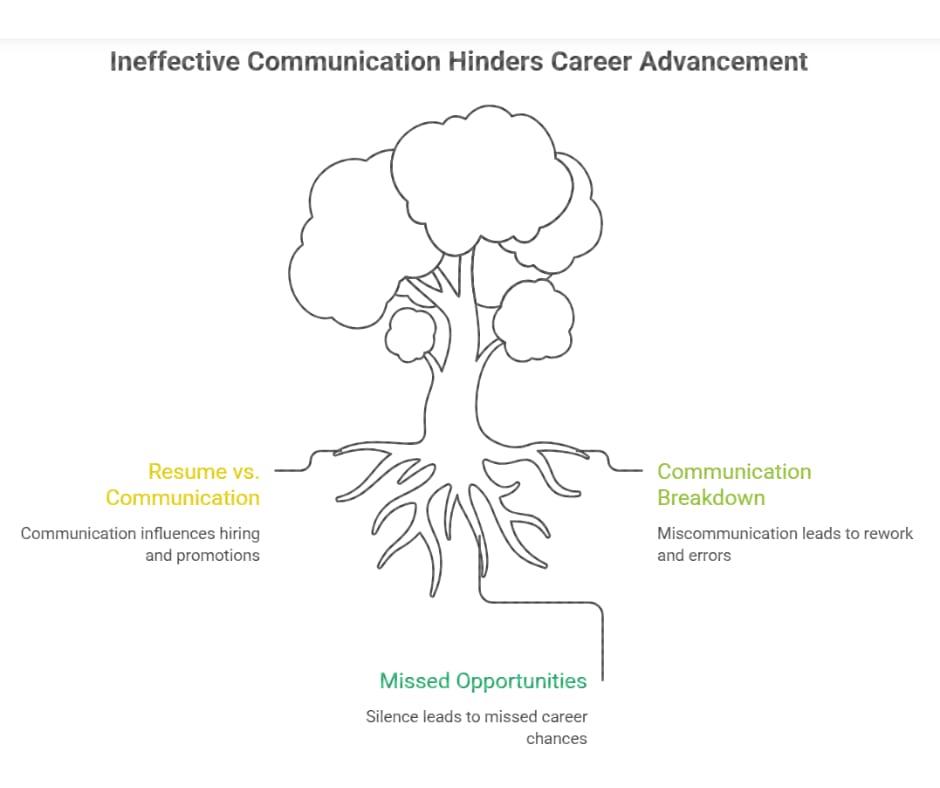
What Weak Communication Costs You
Worth being direct about this part, because most freshers don't clock how much it holds them back over the course of a career, not just in a single interview.
Good work goes unnoticed if nobody outside the room can explain what it achieved or why it mattered.
Miscommunication on a team causes rework and missed deadlines that people remember long after they've forgotten what caused it.
Candidates who ramble or lose the thread get marked down even with solid knowledge underneath, because the panel can't follow the logic well enough to trust it.
People who never speak up in meetings get skipped for opportunities that go, almost automatically, to whoever the room already trusts to explain an idea well.
None of that shows up on a report card. That's exactly why it blindsides so many freshers once they're working and realise the rules were never just about grades.
Small Habits That Add Up
You don't need to overhaul your personality — most people who try that give up within a week. A handful of habits, done consistently, move things faster than expected.
Pause before answering instead of filling the gap with "um" and a sentence that trails off.
Lead with the point, then explain — not the reverse, where the point shows up as an afterthought three sentences too late.
Ask one real clarifying question in every meeting, even ones where you think you already follow everything.
Keep written messages short enough that the point survives a fast skim on someone's phone between meetings.
Watch how the people you think communicate well actually structure what they say, and borrow it on purpose instead of hoping it rubs off.
A Reality Check for Freshers Who Think This Doesn't Apply to Them
It's easy to assume this only matters for sales or client-facing work. That assumption falls apart the moment you watch how teams operate day to day. This matters just as much when you're preparing for competitive career paths, including government jobs for graduates, where interviews, communication, and the ability to explain your thinking can still influence how you're evaluated. Even the most technical jobs — engineering, data, research — need someone to eventually explain the work to a person who wasn't in the room when it was built. The engineer who can walk a product manager through a trade-off in plain language stays in the important conversations. The one who can't, no matter how talented, gets left out of them without anyone ever announcing it as a decision.
Final Thought
Every fresher is chasing the same certifications and the same list of "in-demand" technical skills, which means, in a strange way, none of it separates anyone anymore. Communication is different. It's harder to fake, slower to build, and it shows up right in the moments that decide who gets hired, who gets heard in a meeting, and who gets handed the next big project when it matters. Start working on it the way you'd work on any skill you actually wanted to get better at — before the interview where it suddenly counts, not during it.
Related Articles
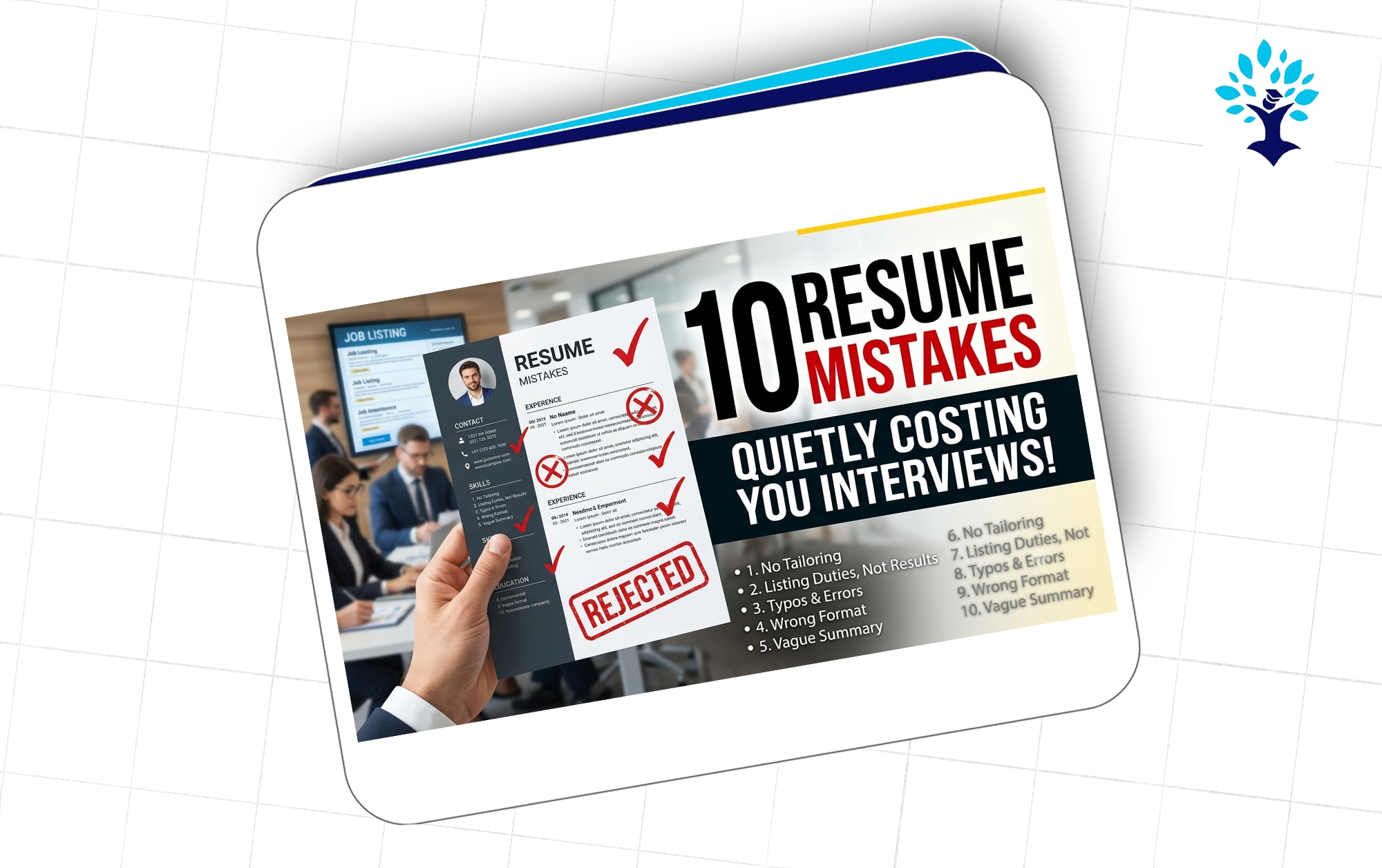
10 Resume Mistakes That Are Quietly Costing You Every Interview
"Discover the 10 common resume mistakes that silently cost candidates interviews. Learn how to improve your resume, stand out to recruiters, and increase your chances of landing more job opportunities."
6 min read
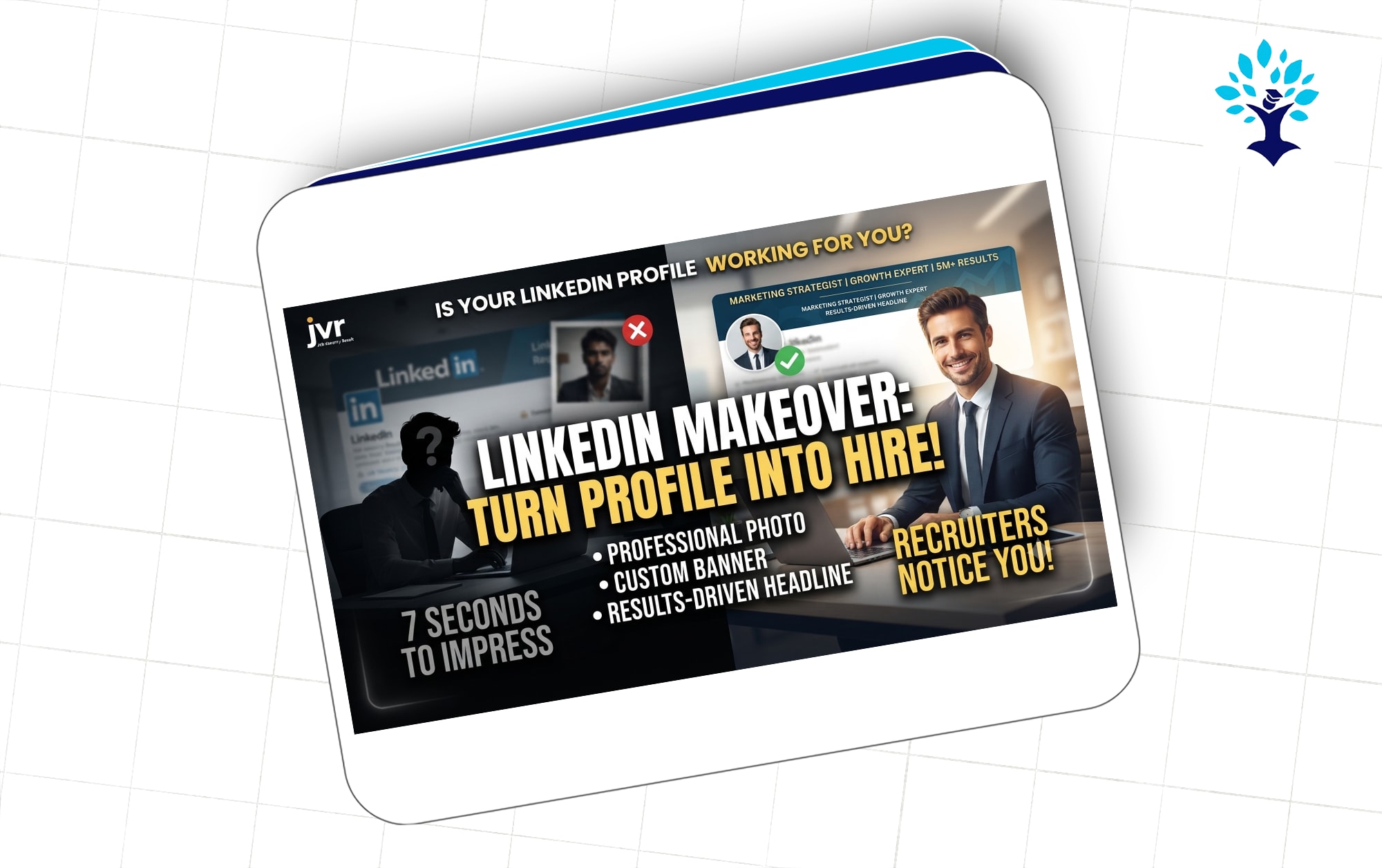
Your LinkedIn Profile Is Working a Night Shift — Make Sure It's Actually Good at the Job
"Recruiters spend just seconds reviewing LinkedIn profiles. Learn how to Optimize your photo, headline, About section, skills, and experience to increase profile views, recruiter interest, and job opportunities."
6 min read
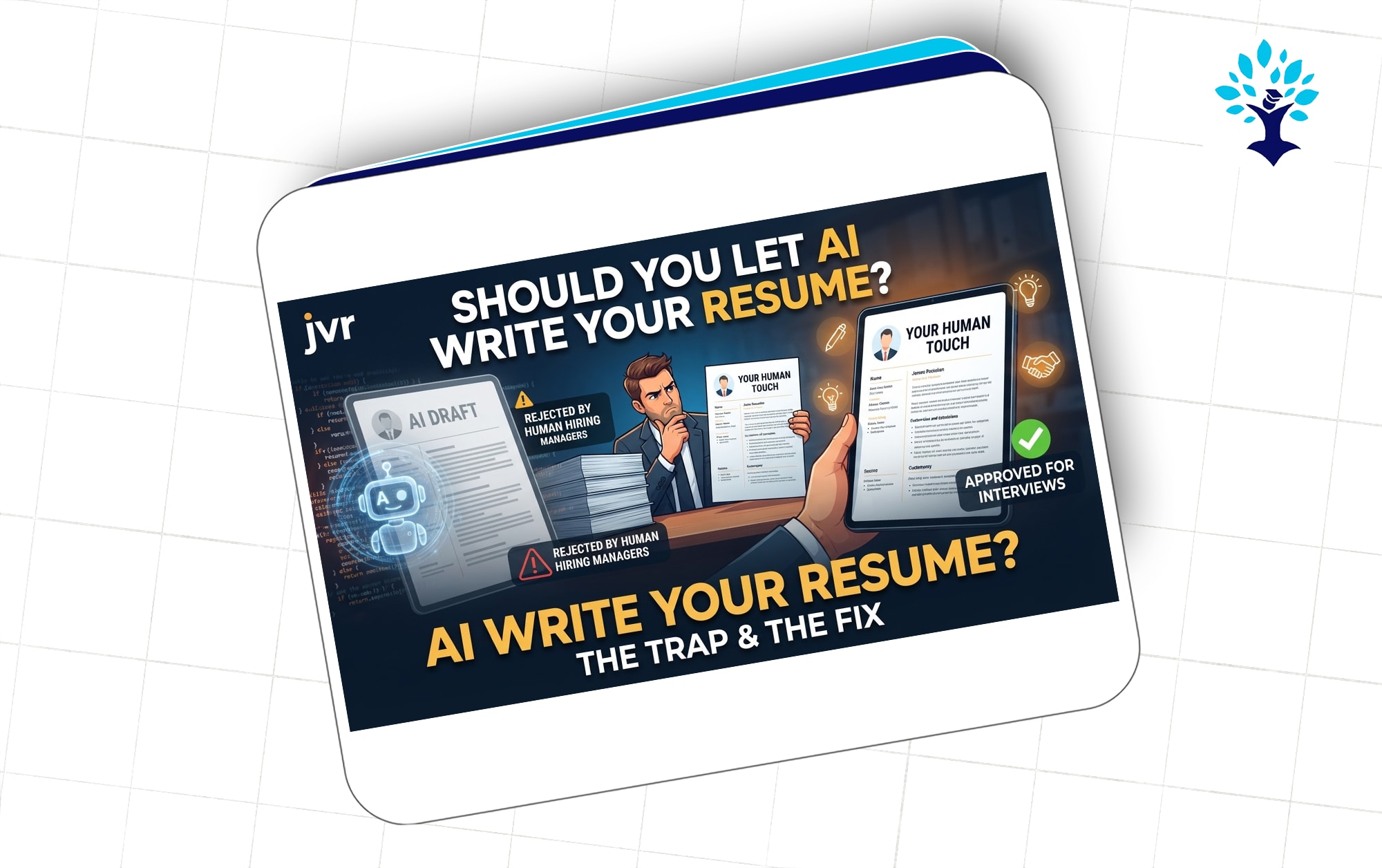
Should You Let AI Write Your Resume? Here's the Honest Answer Nobody's Giving You
"Everyone's using AI to write resumes—but should you? Here's the honest truth about what AI gets right, where it backfires, and how to create a resume that impresses both ATS systems and human recruiters."
7 min read