Placement Season Isn't a Sprint: A Real Guide to Getting Through Campus Drives
Preparing for campus placements? Learn how to plan aptitude and technical tests, group discussions, interviews, resume preparation, mock practice, and company research so you can stay confident and perform better throughout the placement season.
pooja
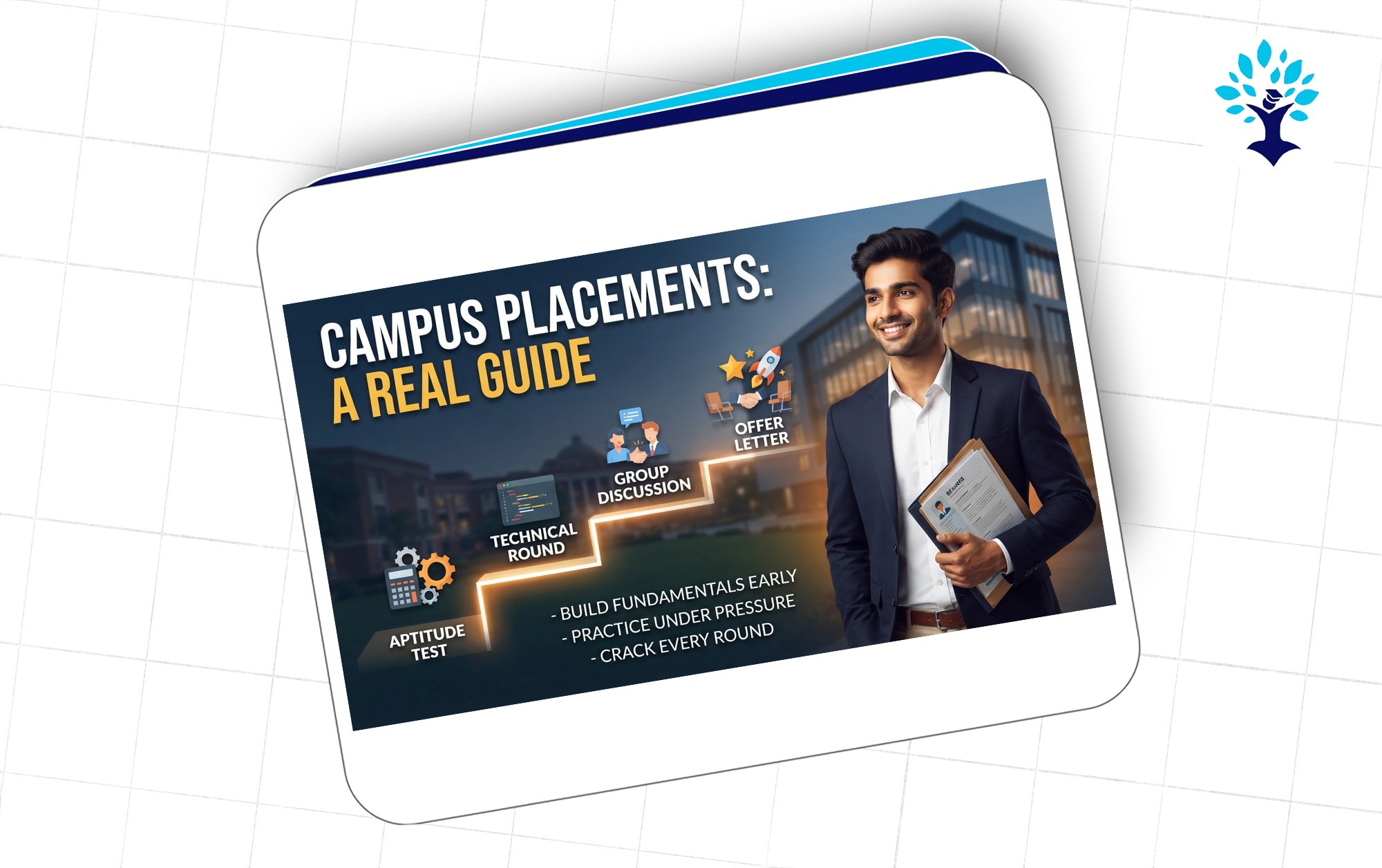
A Real Guide to Getting Through Campus Drives
Walk into any final-year hostel a month before placement season starts, and you'll feel it in the air — half excitement, half low-grade panic. Someone's cramming aptitude questions at 1 AM. Someone else swears group discussions are "just about talking loud." And there's always that one senior who got three offers and now everyone's asking him what he did differently, as if there's a secret formula hiding somewhere in his answer.
There isn't a secret. But there is a difference between students who prepare with a plan and students who prepare in a panic three weeks before the first company shows up on campus. If you're staring down placement season and don't know where to start, here's what matters most, broken down the way it really unfolds instead of the way career workshops present it on a slide.
Placements Aren't One Test — They're Four or Five Small Ones Stacked Together
The biggest mistake students make is treating "placement prep" as one giant, vague thing to get ready for. In reality, most drives run through the same rough stages, and each one needs a completely different kind of preparation.
An aptitude or written test first, usually quant, logical reasoning, and verbal — the round that eliminates the largest chunk of candidates before anyone even talks to you.
A technical round or coding test for many roles, checking whether your fundamentals hold up under pressure, not just in theory.
A group discussion for some companies, testing how you think out loud and whether you can hold your ground without steamrolling everyone else.
One or more personal interviews, where the actual decision usually gets made.
Sometimes a case study or business round, especially for consulting, analyst, or management-track roles. If you're particularly interested in finance-related placements, it's also worth knowing which roles offer the strongest long-term earning potential, such as these top 10 finance jobs with high salaries.
Trying to prepare for all of this the week before drives start is exactly why so many strong students freeze up. Splitting it into pieces and working on each one separately over a longer stretch is what works far better.
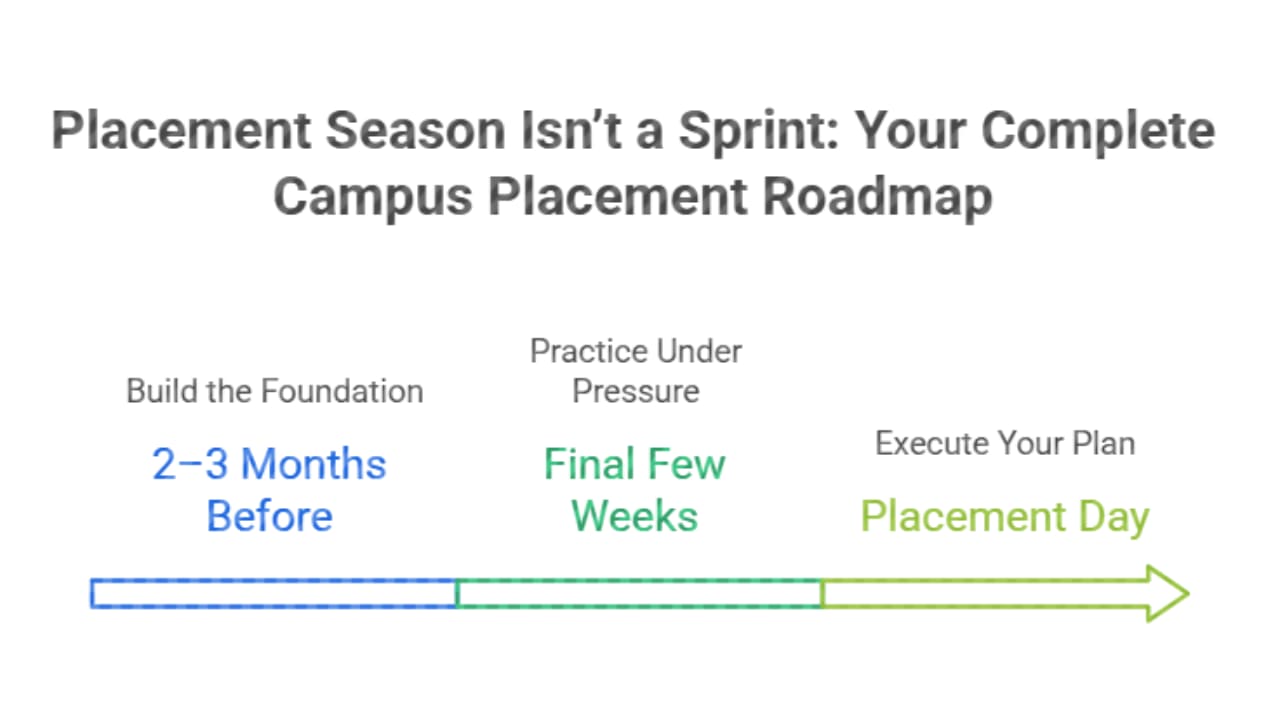
Two to Three Months Before: Build the Boring Stuff First
Nobody wants to hear this, but the unglamorous groundwork matters more than any last-minute trick. Aptitude tests reward speed and accuracy built over weeks of practice, not a few late-night cram sessions.
Pick one solid aptitude prep resource and stick with it instead of jumping between five different books and apps that all teach the same shortcuts differently.
Time yourself on practice sets from the start. Getting the right answer with no time limit means nothing if you can't do it in ninety seconds under exam pressure.
Revisit your core technical subjects properly if you're going for a technical role — not just the trending topics people talk about online, but the fundamentals your resume claims you know.
Update your resume early and get at least two people to review it — a senior who's been through placements, and someone outside your immediate friend group who won't hesitate to point out the weak spots.
This stretch feels slow and unrewarding while you're in it. It's also the part that decides whether the next stage feels manageable or completely overwhelming.
The Final Few Weeks: Shift From Learning to Practicing Under Pressure
Once companies start rolling into campus, the game changes. This isn't the time to learn new concepts — it's the time to get sharp at applying what you already know, fast and under stress.
Do timed mock tests that mimic the real format as closely as possible, including the same time pressure and question style.
Practice mock interviews with a friend, a senior, or a placement cell mentor — actual back-and-forth conversation, not just reading interview questions off a list.
Prepare two or three strong stories from your academic projects, internships, or extracurriculars that you can adapt to different questions — "tell me about a challenge you faced," "tell me about a time you led something," and so on. A simple way to structure these answers without sounding rehearsed is to use the STAR Method, which keeps your responses focused on the situation, action, and result.
Research each company briefly before its drive — what they do, what role they're hiring for, and one or two recent things about them worth mentioning if it comes up naturally.
Students who wait until the night before a specific company's drive to prepare are almost always the ones who freeze the moment a question goes slightly off-script.
What the Interview Round Is Really Testing
Most students assume interviewers are purely checking technical knowledge, and then they're caught off guard when half the conversation is about their projects, their choices, or a completely unrelated hobby mentioned on the resume. Panels are usually checking three things at once: whether you understand what you've written on your resume, whether you can explain your thinking clearly under a bit of pressure, and whether you'd be someone reasonable to work with day to day. That third one gets underestimated constantly. Two candidates with near-identical answers can walk away with very different outcomes purely because one came across as easy to work with and the other came across as defensive or arrogant.
A few things worth remembering going in:
Know your own resume cold. If you've written a project on there, be ready to explain every part of it, not just the summary line.
It's fine to say "I don't know" instead of guessing badly. Interviewers respect an honest gap far more than a confident wrong answer.
Ask a genuine question at the end when given the chance. It shows interest in the actual role, not just in getting through the interview.
Small Habits That Separate Calm Candidates From Panicked Ones
Sleep the night before a drive properly instead of cramming until 3 AM — a tired brain performs worse on aptitude tests than a rested one with slightly less last-minute revision.
Reach the venue early enough that you're not rushing in stressed right before your slot.
Carry printed copies of your resume and any required documents, even if you were told everything is digital. Something always goes wrong with the projector or the portal on the actual day.
Treat every round, even the ones that feel like a formality, with full attention. Companies do drop candidates at stages students assume are "just a formality."
Mistakes Students Repeat Every Placement Season
Applying to every company that shows up on campus without checking whether the role or the sector even interests them
Memorising answers word for word instead of understanding the underlying concept, which falls apart the moment the question is phrased slightly differently
Skipping mock interviews because they feel awkward, and then walking into the real thing without ever having practiced speaking the answers out loud
Comparing themselves constantly to classmates instead of focusing on their own preparation and pace
The Bottom Line
Campus placements reward consistency far more than last-minute brilliance. The students who come out of the season with strong offers usually aren't the ones who pulled off some dramatic comeback the night before a drive — they're the ones who treated the two or three months beforehand as actual preparation time instead of something to worry about later. Once you actually have an offer in hand, though, preparation doesn't stop there — knowing the basics of salary negotiation in India can help you make sure you don't undersell yourself. Start earlier than feels necessary, break the process into pieces instead of one overwhelming blob, and walk into each drive having already done the work that makes the pressure of the day itself a lot easier to handle.
Related Articles
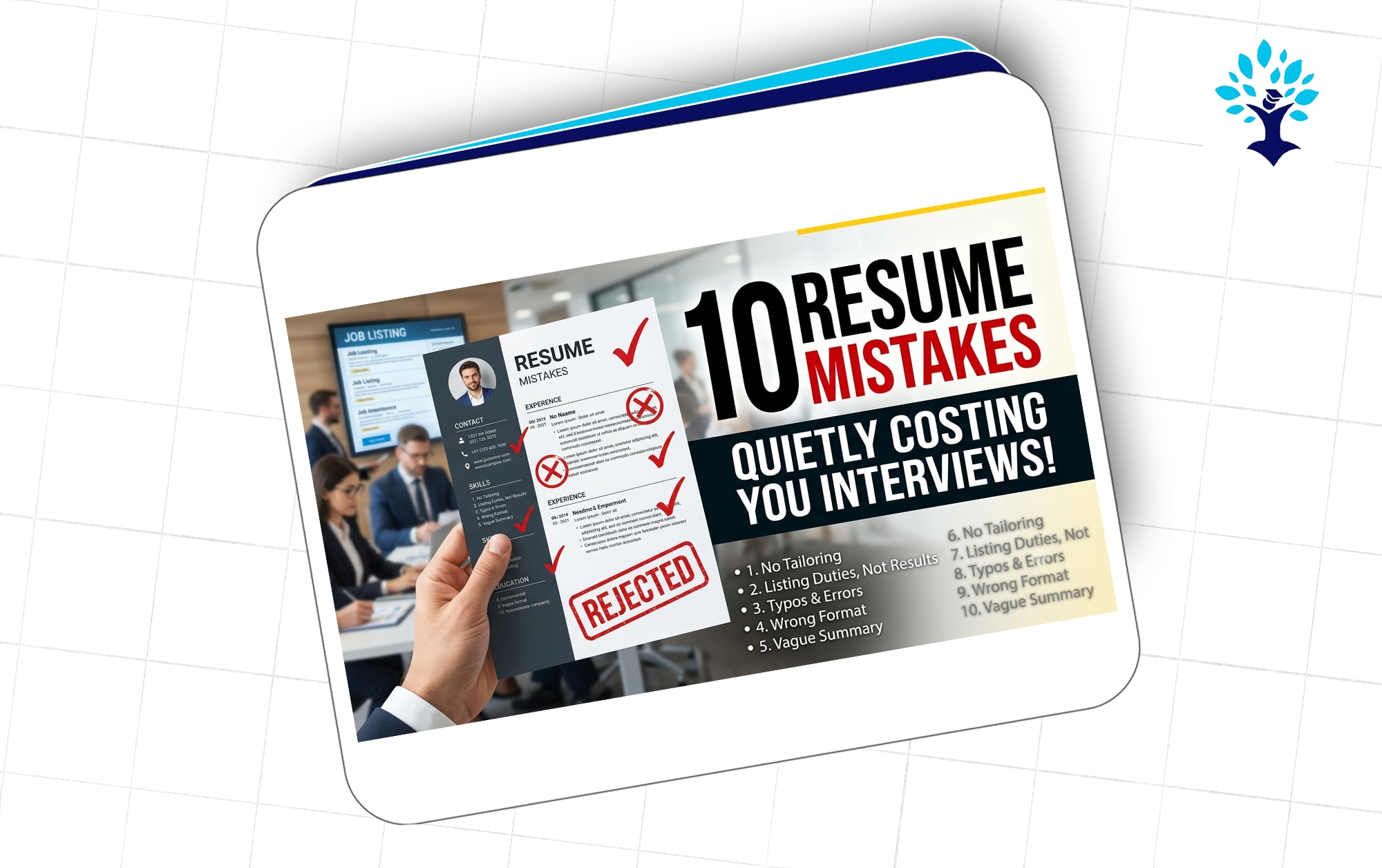
10 Resume Mistakes That Are Quietly Costing You Every Interview
"Discover the 10 common resume mistakes that silently cost candidates interviews. Learn how to improve your resume, stand out to recruiters, and increase your chances of landing more job opportunities."
6 min read
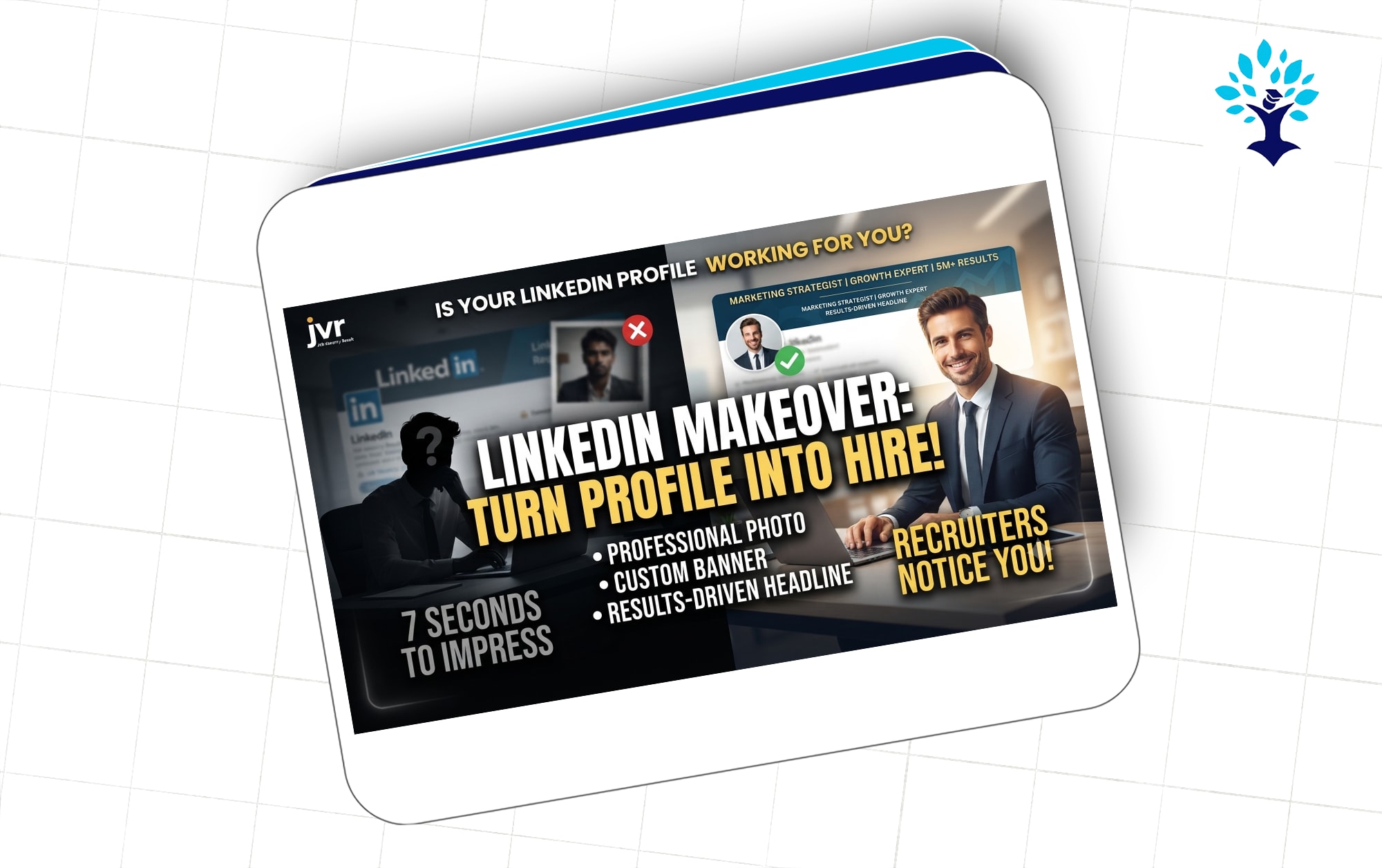
Your LinkedIn Profile Is Working a Night Shift — Make Sure It's Actually Good at the Job
"Recruiters spend just seconds reviewing LinkedIn profiles. Learn how to Optimize your photo, headline, About section, skills, and experience to increase profile views, recruiter interest, and job opportunities."
6 min read
Should You Let AI Write Your Resume? Here's the Honest Answer Nobody's Giving You
"Everyone's using AI to write resumes—but should you? Here's the honest truth about what AI gets right, where it backfires, and how to create a resume that impresses both ATS systems and human recruiters."
7 min read