Paid or Unpaid: The Internship Question Every Student Gets Wrong at Least Once
"Paid or unpaid internship? Learn how to compare stipend, learning, mentorship, ownership, company credibility, career value, and red flags so you can choose the internship that actually fits your financial needs and career goals."
pooja
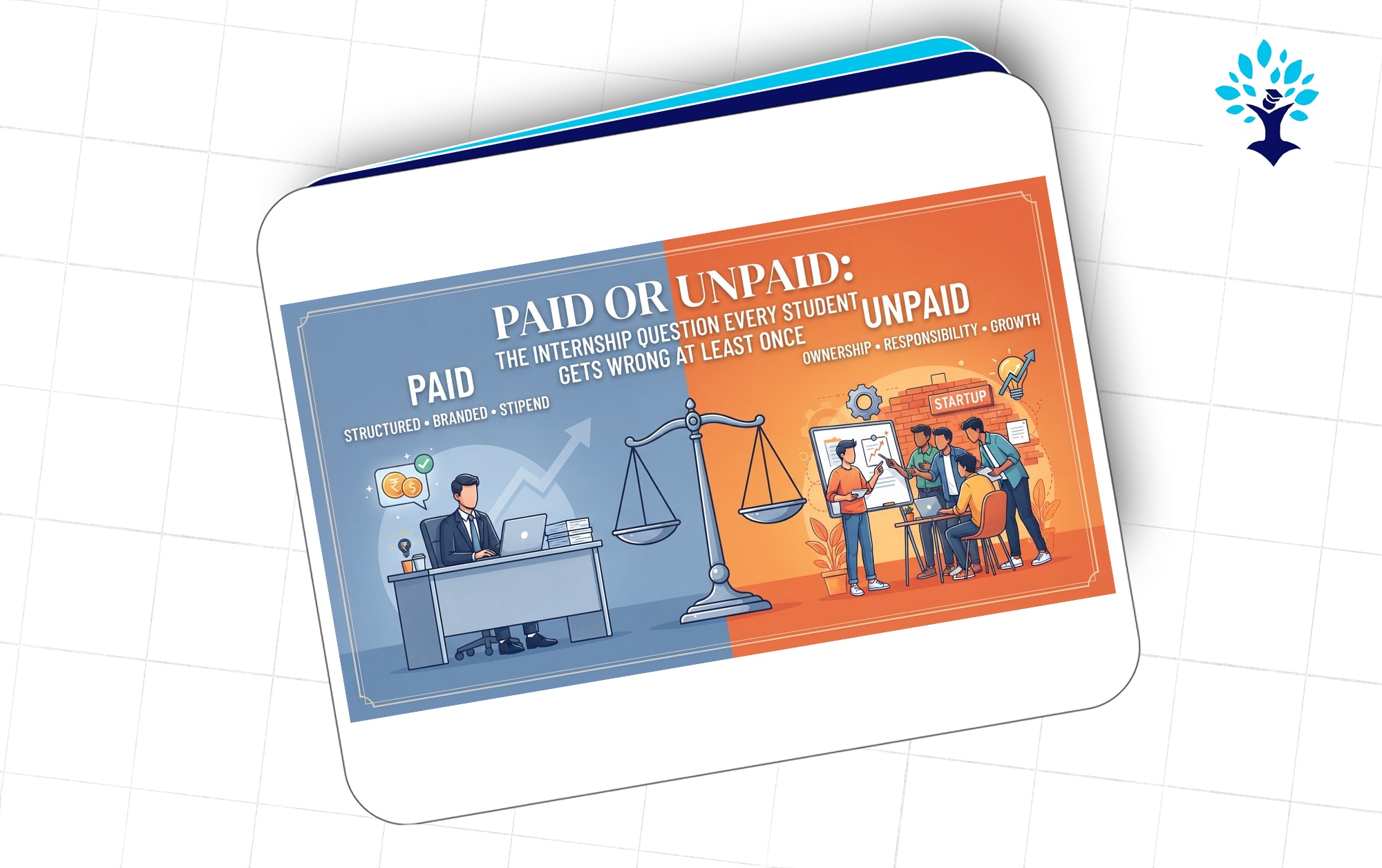
The Internship Question Every Student Gets Wrong at Least Once
Two friends from the same college, same batch, same degree, end up with two internship offers on the same day. One's paid a decent stipend, a known brand, and structured onboarding. The other is unpaid, from a five-person startup nobody's heard of, but the founder promises real ownership from week one. Ask around, and you'll get split opinions instantly, usually loud ones. Some people swear by the paycheck as proof that the company respects their time. Others swear by the small startup, insisting that's where actual learning happens. Both groups are half right, and neither has the full picture.
This decision trips up more students than almost any other internship question, mostly because it gets treated as a moral one — paid is "smart," unpaid is "getting exploited" — when really it depends entirely on what you're trying to get out of the next few months.
What a Paid Internship Gets You, Beyond the Obvious
Money is the obvious answer, but it's rarely the most important one. A stipend, even a modest one, tends to come attached to a company that has its process figured out — a proper onboarding, a manager who's expected to check in on you, sometimes a defined project with a clear end goal.
Structured companies are far more likely to have a formal internship program, which usually means clearer expectations and less time spent figuring things out on your own.
Paid roles are often easier to explain later, because a recruiter reading your resume doesn't have to wonder whether the role was substantial enough to be worth the company's money.
There's a psychological effect too — when a company is paying you, both sides tend to take the arrangement more seriously, which usually means better mentorship and less risk of being handed pointless busywork.
A paycheck, however small, gives you some independence during the internship instead of relying entirely on family support for months.
None of this guarantees a good experience. Plenty of paid internships are still badly run, with interns treated as free labour dressed up with a stipend. But on average, money tends to correlate with structure, and structure is what most first-time interns need most.
Where Unpaid Internships Sometimes Outperform Paid Ones
This is the part people rarely say out loud: some of the best learning experiences students describe later, in interviews and on LinkedIn, came from unpaid roles at tiny startups or with individual founders. For students exploring data careers, the right internship can also be a way to discover paths beyond the traditional data scientist title and figure out which role actually fits their strengths. The reason isn't romantic — it's practical. Small, resource-strapped teams can't afford to keep an intern around doing filler work. If they've brought you on without paying, it's usually because they truly need the help, which often means real responsibility lands on you faster than it would at a bigger, paid setup.
Early-stage startups frequently hand interns actual ownership — a feature, a campaign, a research piece — because there's nobody else around to do it.
Working directly with a founder or small team teaches you how decisions get made, something you rarely see clearly inside a large, paid internship where you're several layers removed from leadership.
Unpaid roles are often more flexible about hours and scope, which can work in your favour if you're trying to build a specific skill rather than follow a fixed job description.
Some of the most useful references and long-term mentors come out of small, unpaid setups, precisely because the relationship is more personal than a formal corporate internship allows for.
The catch is that unpaid work only pays off this way when the company is legitimate and truly stretched for resources — not when it's a bigger company using "unpaid internship" as a polite way to get free labour from students desperate for a line on their resume.
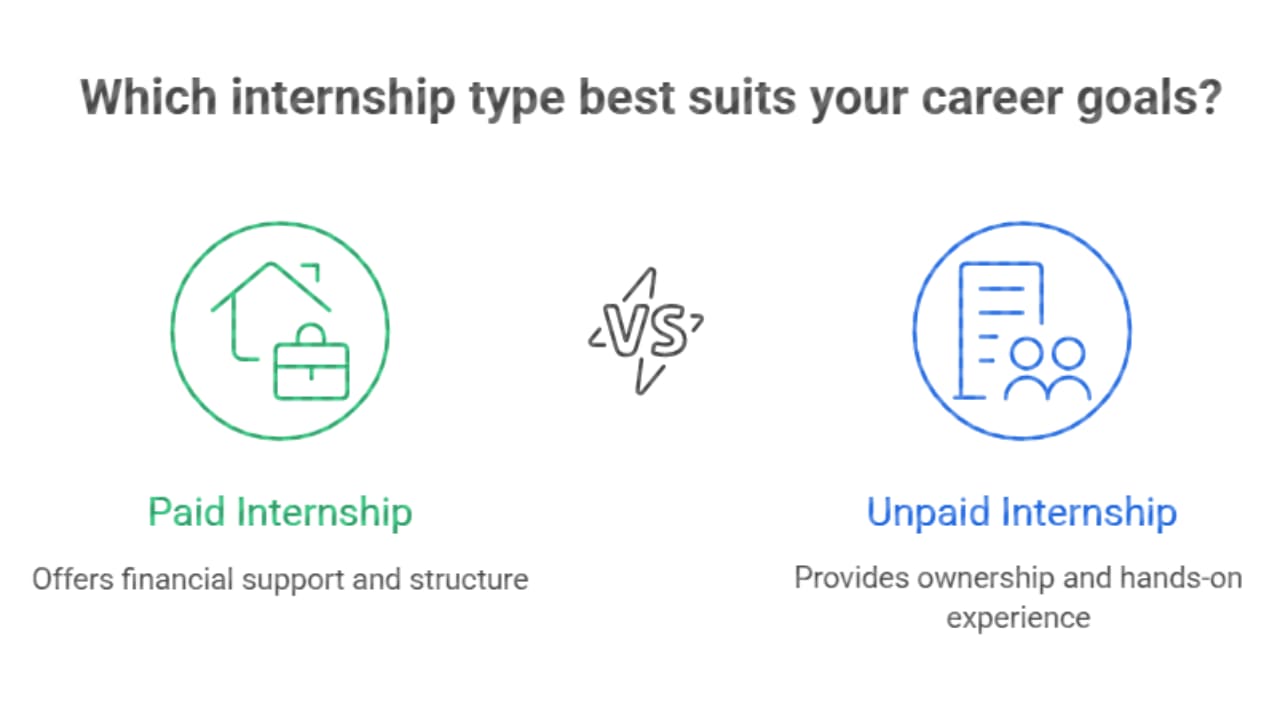
How to Tell the Difference Before You Say Yes
The line between a truly valuable unpaid role and a wasteful one isn't always obvious from the outside, but a few signs tend to hold up.
Ask what you'd be working on in the first two weeks, specifically. A vague answer — "you'll get exposure to different things" — is usually a warning sign.
Check how big the team is. A five-person startup offering unpaid work is a very different situation from a two-hundred-person company doing the same.
Ask whether past interns have gone on to get a job offer, a strong reference, or a portfolio piece out of the role. If the answer is unclear or evasive, take that as data.
Notice whether they're offering a certificate as the main selling point. A certificate alone, with nothing concrete behind it, is rarely worth months of unpaid work.
A paid internship deserves the same scrutiny, just aimed differently — ask what the stipend is meant to compensate for, and whether the responsibilities match what similar interns are getting elsewhere.
When the Decision Should Lean One Way or the Other
There's no universal right answer here, but the decision gets easier once you're honest about what stage you're at and what you need next.
Choose paid when you need the financial support to make the internship possible at all, when you're early enough in your career that structure and mentorship matter more than raw ownership, or when the company's brand name will open real doors on your resume later. Choose unpaid when the role offers real, hands-on responsibility that a paid position at a bigger company wouldn't give you yet, when you can afford to go a few months without income, or when the specific skill or network you'd build matters more right now than the paycheck attached to it.
A few practical questions worth asking yourself before deciding:
Can I realistically manage a few months without pay, considering rent, transport, and daily expenses?
Would this specific unpaid role teach me something a paid alternative truly wouldn't?
Is the paid option paying me for real work, or just enough to make an otherwise thin internship look legitimate?
Which option leaves me with a better story to tell in my next interview — not a longer one, a better one?
What to Watch Out For, Regardless of Which You Pick
Some warning signs apply no matter which side you're leaning toward. A company that's cagey about your exact responsibilities before you've signed anything, one that expects full-time hours for an unpaid role with no flexibility, or one that can't name a single project you'd own outright — all of these are red flags worth taking seriously, paid or not. Money doesn't automatically fix a badly run internship, and lack of money doesn't automatically make one exploitative either.
The Real Answer
There isn't a single correct choice between paid and unpaid internships, no matter how confidently people argue otherwise. What matters is matching the internship to what you need right now — money to survive the months ahead, structure to learn the basics, or real ownership that a bigger company wouldn't hand a first-time intern. Weigh the specific offer in front of you against your specific situation, not against whichever version of the debate happens to be loudest in your friend group that week.
Related Articles
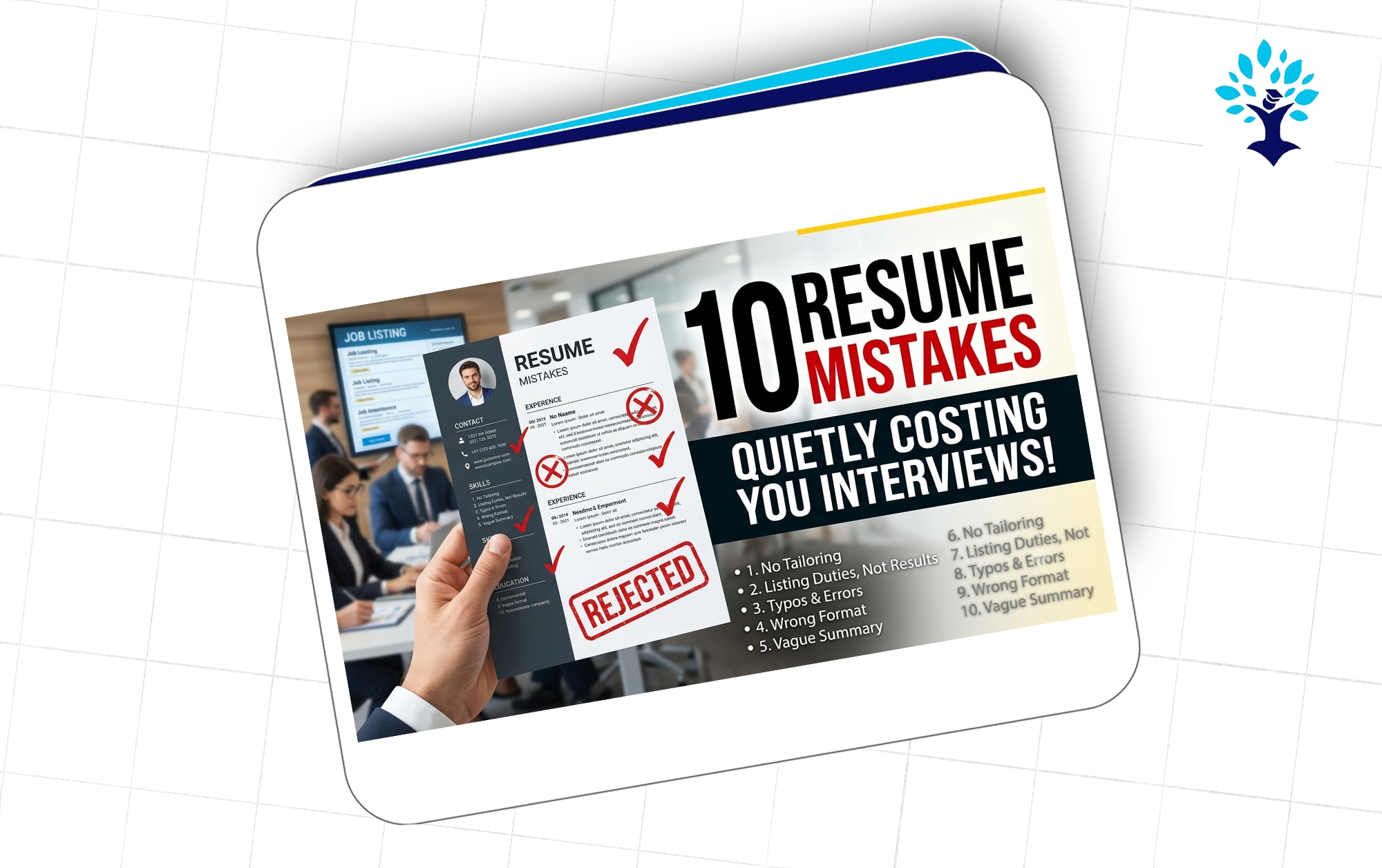
10 Resume Mistakes That Are Quietly Costing You Every Interview
"Discover the 10 common resume mistakes that silently cost candidates interviews. Learn how to improve your resume, stand out to recruiters, and increase your chances of landing more job opportunities."
6 min read
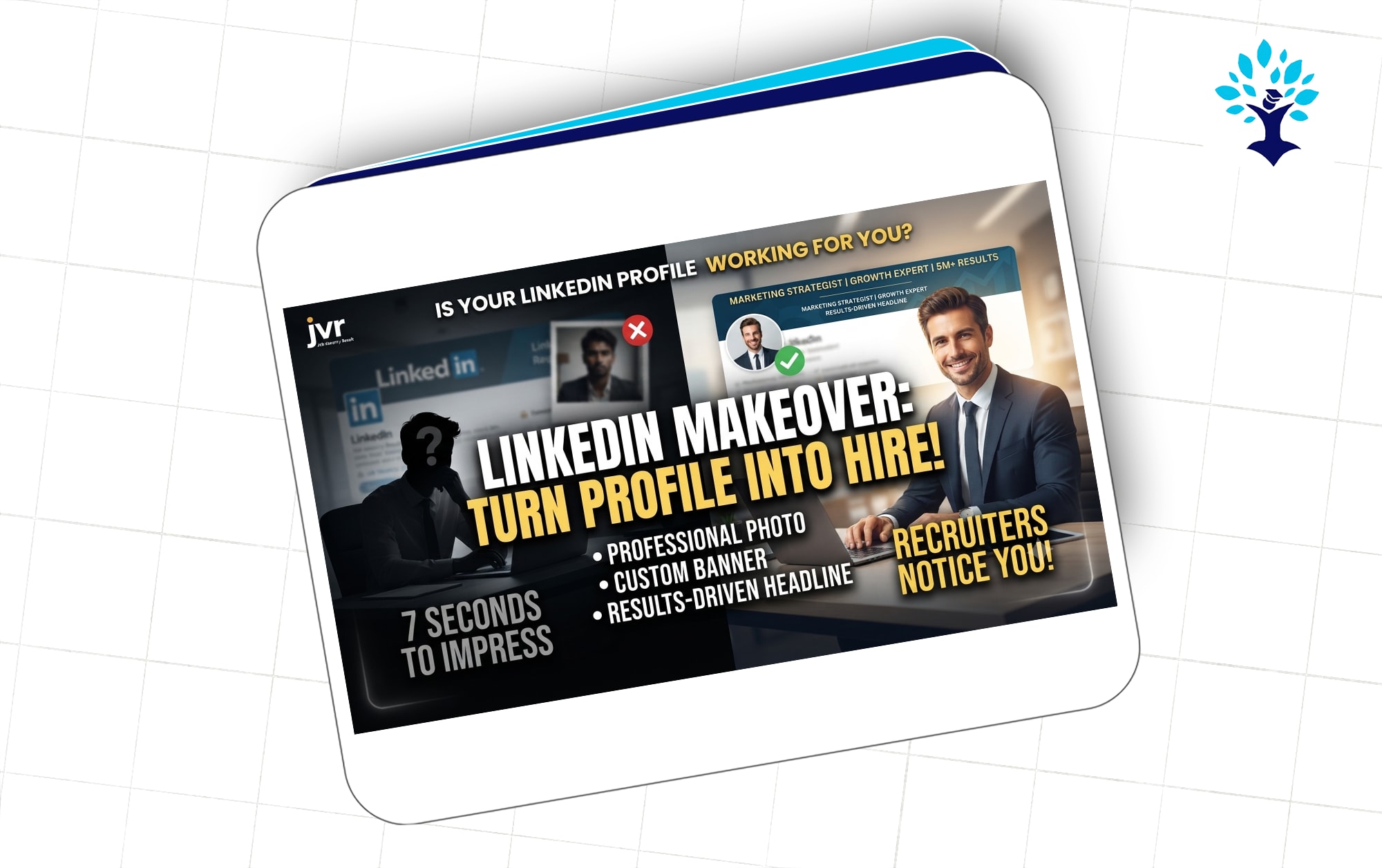
Your LinkedIn Profile Is Working a Night Shift — Make Sure It's Actually Good at the Job
"Recruiters spend just seconds reviewing LinkedIn profiles. Learn how to Optimize your photo, headline, About section, skills, and experience to increase profile views, recruiter interest, and job opportunities."
6 min read
Should You Let AI Write Your Resume? Here's the Honest Answer Nobody's Giving You
"Everyone's using AI to write resumes—but should you? Here's the honest truth about what AI gets right, where it backfires, and how to create a resume that impresses both ATS systems and human recruiters."
7 min read