Nobody Tells First-Years They Can Already Apply — Here's the Truth About Getting an Internship This Early
"Think internships are only for final-year students? Learn how first-years can find opportunities, build a strong profile, approach recruiters, ace early interviews, and turn their first internship into valuable experience for future roles."
pooja
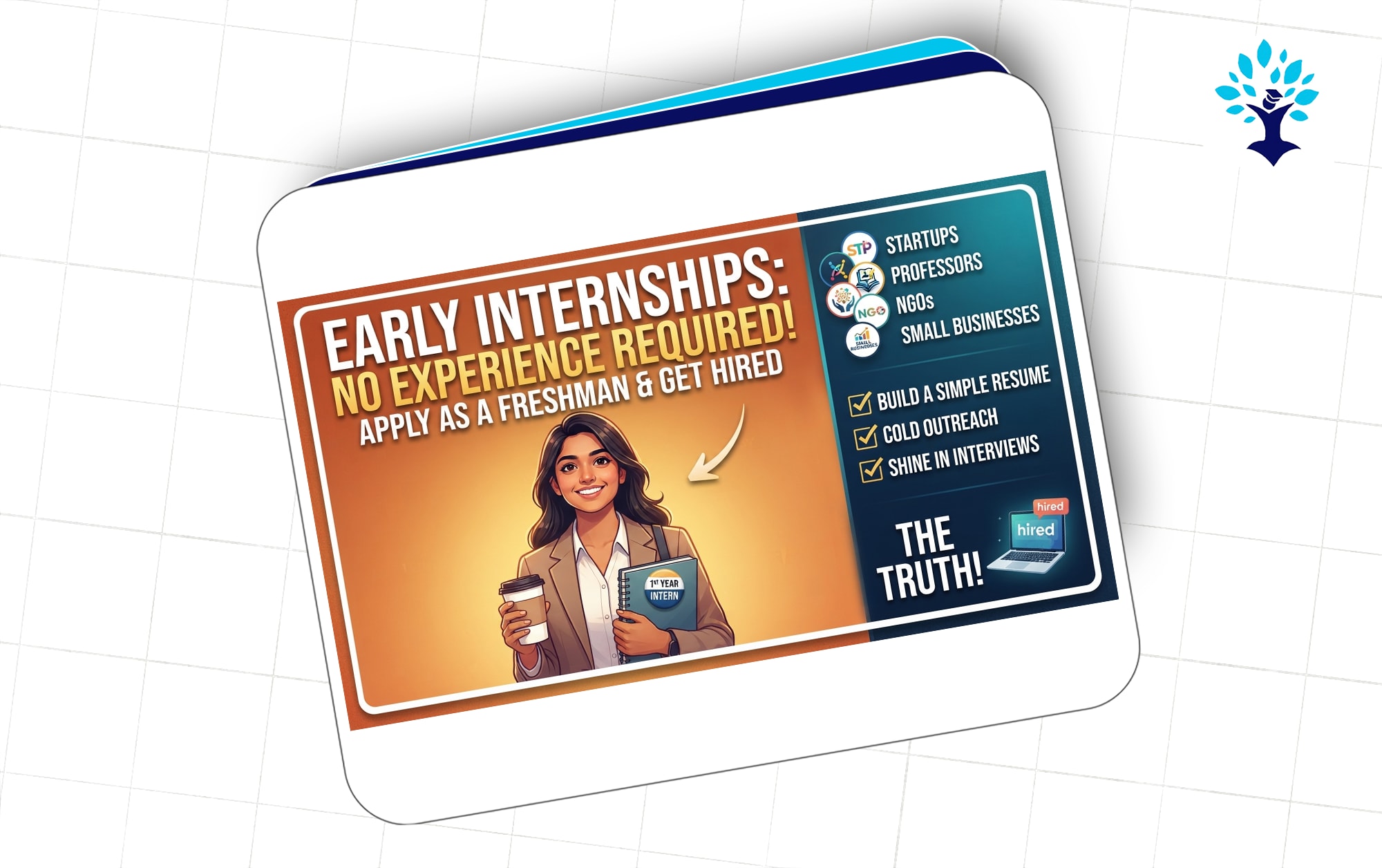
Here's the Truth About Getting an Internship This Early
There's a strange belief floating around every college campus that internships only open up once you've survived a year or two and built something worth putting on paper. Ask around, and you'll hear it from seniors, from WhatsApp groups, sometimes even from career counsellors who should know better. It's mostly wrong. Plenty of companies — smaller ones especially — are actively looking for first-years, not despite the lack of experience but because of it. They want someone cheap to bring on, willing to learn their way instead of unlearning habits picked up somewhere else, and hungry enough to show up and figure things out.
The problem was never that internships don't exist for first-years. It's that nobody bothers explaining how to go after one when the listings on job portals all seem to want someone two years ahead of where you are.
What's Really Going On With "No Experience Required" Listings
Open any internship platform, and it looks intimidating at first glance — a wall of postings asking for skills you haven't touched yet, timelines that assume a second or third year. But dig one layer deeper and a different picture shows up. Startups constantly need short-term help with writing, research, testing, admin, and social media, and none of that depends on how far along you are in your degree. Several companies run "early talent" tracks built specifically for first and second-years, even if the branding doesn't say so on the front page. NGOs and small local businesses, more often than not, can't afford to pay for a senior intern and would rather train someone from scratch. Even professors run side research or small ventures that need an extra pair of hands without anyone noticing, and they rarely get first-year applicants because most students assume those doors are closed to them.
None of that requires luck. It requires knowing where to look, which almost nobody spells out clearly for someone in their first year.
Building Something to Show Before You Apply Anywhere
Here's the part most first-years skip past too quickly. You don't need a stacked resume to start applying — but showing up with absolutely nothing to point to makes you indistinguishable from every other first-year sending out the same blank application.
A working LinkedIn profile matters more than people expect at this stage — a real photo, a couple of lines about what you're studying and interested in, and any coursework or club activity worth mentioning. A one-page resume is worth writing even if half of it is college projects and extracurriculars, because a thin resume still beats no resume at all. Pick one small thing you can point to when someone asks what you've done — a blog you've kept, a spreadsheet you built for a college event, a poster you designed, anything that shows you act on your own instead of just having opinions. If you're interested in tech, one practical way to build that proof is by following a structured Python roadmap and turning what you learn into small projects you can actually show recruiters. And practice explaining, in two or three sentences, what you're studying and what kind of work interests you. Recruiters ask this constantly at this level, and a shaky answer costs more than most first-years realise.
None of this needs to look finished. It needs to exist, and it needs to be true.
Where First-Years Get Picked
Chasing the same big-name companies every third-year student is applying to wastes energy this early — those roles are built for people further along, and competing there rarely pays off. The better move is redirecting that same effort toward places that are open to beginners in the first place.
College internship and placement cells often carry first-year-specific listings that barely anyone checks, mostly because most students assume the cell is only useful in later years.
Platforms like LinkedIn and Internshala let you filter by "no experience required," which cuts out most of the intimidating noise in a couple of clicks.
Professors running small paid or unpaid research work rarely get approached by first-years, even though they're often looking for exactly that kind of help.
Early-stage founders post internship calls directly on Twitter/X and LinkedIn, often looking for raw enthusiasm over polish.
Seniors and alumni from your own college tend to give a first-year a real shot far more readily than a stranger sorting through a hundred anonymous applications.
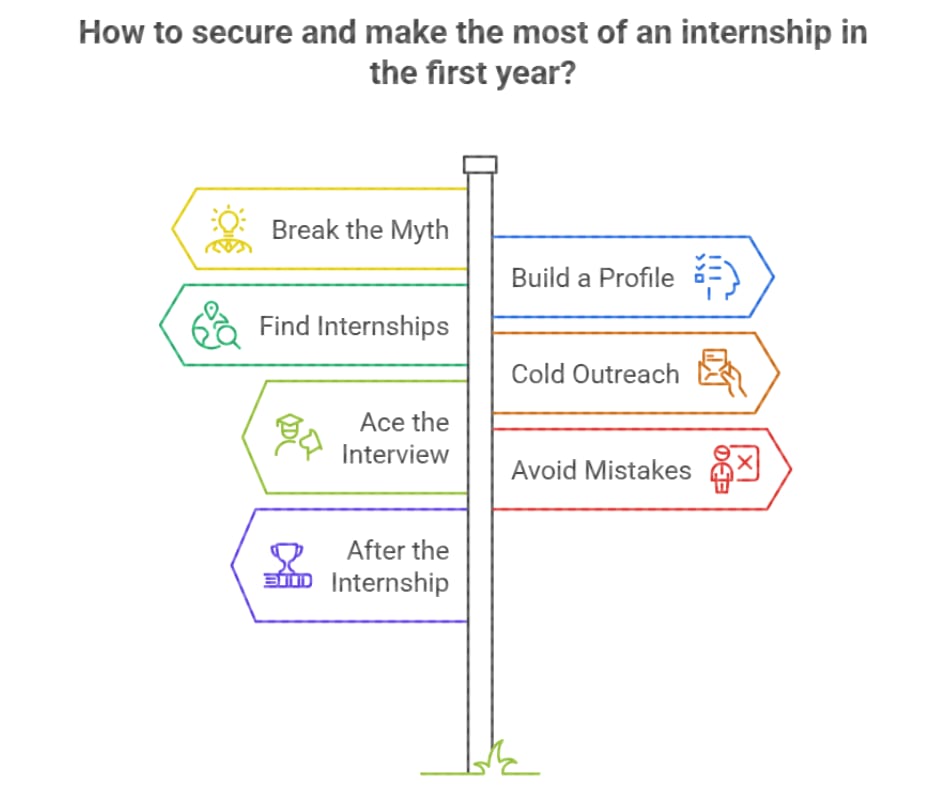
Reaching Out Directly, and Doing It Right
Cold outreach works better for first-years than most people expect, mostly because almost nobody at that stage bothers doing it properly. Most cold emails get ignored — not because the person is uninterested, but because the email is generic, too formal, or too long to bother finishing.
A good one is short and specific enough that it's obvious you've looked at what the person or company does before writing a word. Open with a line referencing something particular about their work. State plainly that you're a first-year student instead of trying to dodge the question — owning it upfront reads far better than getting caught dancing around it later. Mention one relevant interest and one small thing you could realistically help with in the first few weeks. Keep the whole thing under 120 words, and attach a resume rather than describing it at length in the body of the email.
Someone scanning their inbox between meetings will read five lines. They won't read three paragraphs from a stranger.
The Interview Itself Isn't What You're Imagining
First-year interviews rarely dig into deep expertise, because there usually isn't much to test yet. What they're checking is whether you think clearly, speak straight instead of dressing things up, and want to learn for real.
Be ready to explain why this specific internship, not internships in general — vague enthusiasm doesn't land the way people think it does. Talk through the one project or activity you're proudest of using a simple shape: what the task was, what you did, what came out of it. Ask at least one real question about the role instead of nodding along — it signals you've thought about this rather than applied at random. And resist the urge to oversell what you know. Interviewers spot it within minutes, and it costs more credibility than just admitting you're still learning would have.
Mistakes That Keep First-Years Out of the Running Without Them Realising
Believing internships are off-limits until second or third year, and never applying at all
Sending the same untouched resume and cover letter to every single listing
Ignoring smaller companies entirely in favour of names everyone already recognises
Avoiding cold outreach because it feels awkward, even though it's one of the highest-return moves available this early
Turning down small, unpaid, or short-term roles that would have built exactly the experience the next, bigger opportunity is asking for
Once You're In, the Real Work Starts
Landing the internship is only the opening move. What happens in the first few weeks decides whether it turns into a reference, a return offer, or a forgettable line nobody follows up on later.
Show up early, ask instead of guessing, and take visible notes — small habits that build trust with a new team faster than almost anything else. Volunteer for the tasks nobody else wants, because grunt work done well tends to be exactly what gets remembered. Ask for feedback directly rather than waiting for a formal review that may never come in a short internship. And write down what you did while it's still fresh, with real specifics — not three months later, staring at a resume and trying to remember the details you already forgot.
One Last Thing
Being a first-year isn't the disadvantage it feels like every time a listing seems written for someone older. It's an opening most students never use, mainly because nobody tells them it's already available. Apply before you feel ready. Reach out to people directly instead of waiting for the perfect listing to appear. And treat that first small internship as proof that the next one won't have to start from zero either.
Related Articles
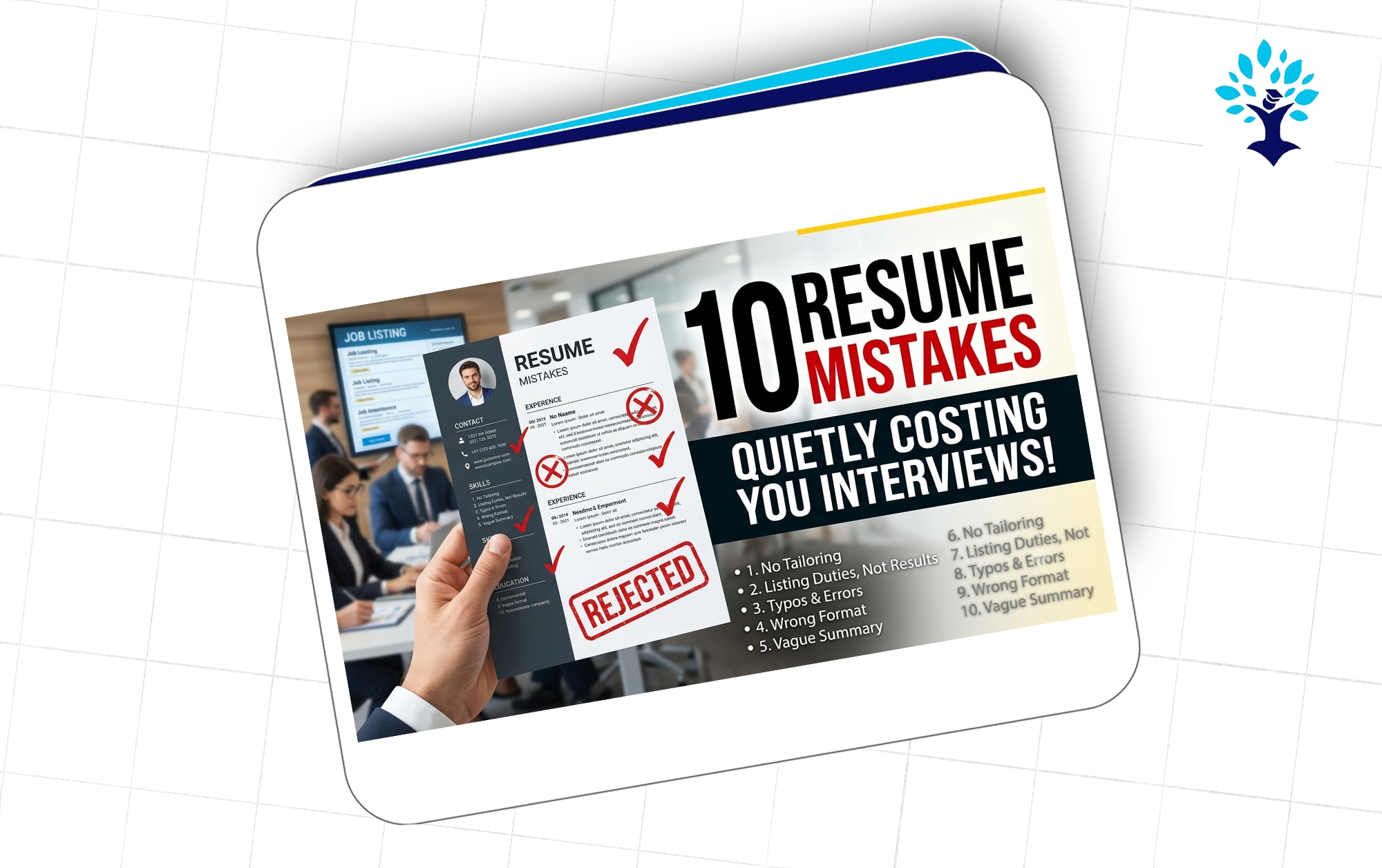
10 Resume Mistakes That Are Quietly Costing You Every Interview
"Discover the 10 common resume mistakes that silently cost candidates interviews. Learn how to improve your resume, stand out to recruiters, and increase your chances of landing more job opportunities."
6 min read
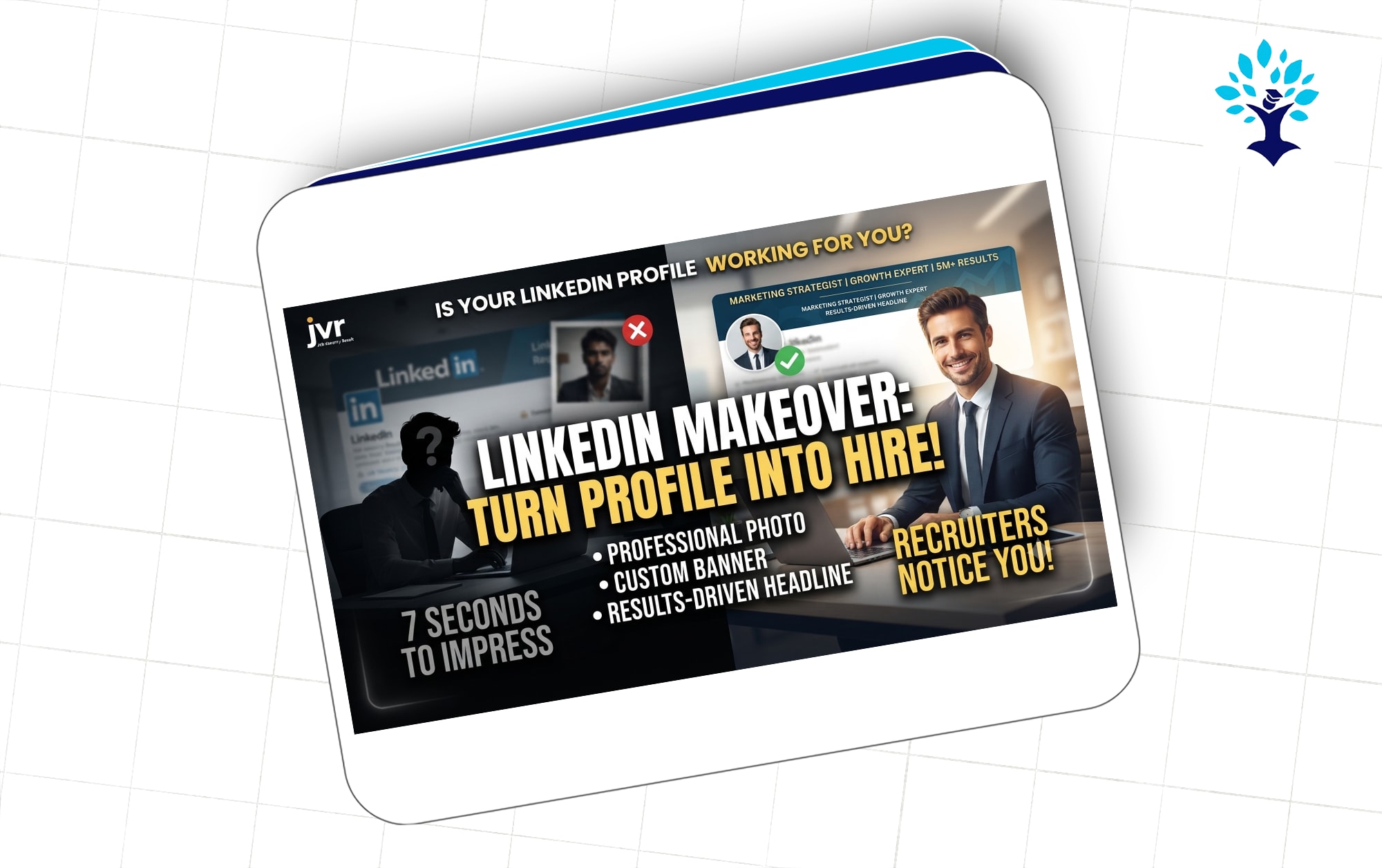
Your LinkedIn Profile Is Working a Night Shift — Make Sure It's Actually Good at the Job
"Recruiters spend just seconds reviewing LinkedIn profiles. Learn how to Optimize your photo, headline, About section, skills, and experience to increase profile views, recruiter interest, and job opportunities."
6 min read
Should You Let AI Write Your Resume? Here's the Honest Answer Nobody's Giving You
"Everyone's using AI to write resumes—but should you? Here's the honest truth about what AI gets right, where it backfires, and how to create a resume that impresses both ATS systems and human recruiters."
7 min read